Optimize ad spend. Maximize ROI.
Media buying is how brands buy ad inventory across channels to reach the right people efficiently — and when you get it right you cut waste and lift measurable ROI. This guide gives marketing leaders a practical, executive-ready playbook: define target audiences, set campaign KPIs, run programmatic and data-driven buys, combine multi-channel tactics (including connected TV), and use analytics plus AI to tune budgets. Many teams struggle with fragmented measurement, weak attribution, and slow conversion velocity; the steps below translate strategy into repeatable actions that reduce waste and accelerate results. You’ll get core strategy, a concise explanation of RTB and DSP/DMP mechanics, channel-mix recommendations for common goals, and repeatable budgeting and automation workflows for continuous optimization. The content is organized around four tactical pillars: strategic foundations and segmentation; programmatic mechanics and data-driven targeting; multi-channel integration (CTV emphasized); and budgeting with AI-driven optimization for better media buying ROI.
What are the essential media buying strategies that drive business results?
Begin by separating planning from execution, defining precise audiences, and aligning campaign KPIs to business outcomes — that alignment cuts waste and lifts conversion rates. The logic is simple: tighter audience definitions and clear KPIs steer inventory choices, bid tactics, and creative formats toward measurable goals. Leaders get the most value when strategies are built as repeatable processes: inventory your data sources, prioritize segments, pick channels that fit those segments, and set measurement windows for success. Below we break down practical segmentation approaches and which KPIs map to awareness versus performance goals.
Audience segmentation starts with a first-party data audit — CRM signals and high-value behaviors are the best seeds. From there, create personas tied to purchase drivers and layer intent and demographic signals to form prioritized segments mapped to channels. In short: first-party data → seed audience models; behaviors → purchase intent signals. That ensures high-value segments get tailored bids and creative, increasing relevance and lowering CPA. Good segmentation naturally leads to selecting KPIs appropriate for each funnel stage.
Campaign goals and KPIs should map directly to outcomes — awareness, consideration, or conversion — with distinct measurements for each. For awareness, track reach, viewability, and CPM; for consideration, measure engagement and assisted conversions; for conversion, prioritize CPA and ROAS. Choose an attribution model that reflects your customer journey to avoid double-counting — multi-touch or data-driven attribution usually suits complex funnels. Clear KPI assignment enables consistent optimization cycles and makes it easier to shift budgets to tactics that move the needle.
Use this checklist to put the strategy into practice.
- Audience-first segmentation: Start with first-party segments and map them to channel behaviors and bidding rules.
- Goal-aligned KPIs: Assign metrics that match awareness, consideration, and conversion objectives.
- Channel-fit creative: Adapt messaging and formats for each channel’s strengths.
- Measurement governance: Lock in attribution and validation rules before launch.
The table below summarizes foundational strategies so leaders can choose the right mix for their business.
| Strategy | Key attribute | Business benefit |
|---|---|---|
| Audience segmentation | First‑party data + intent layering | Lower CPA through greater relevance |
| KPI alignment | Goal‑specific metrics | Clear optimization signals |
| Channel mapping | Format and audience fit | Improved conversion efficiency |
How do you define and segment target audiences for media buying?
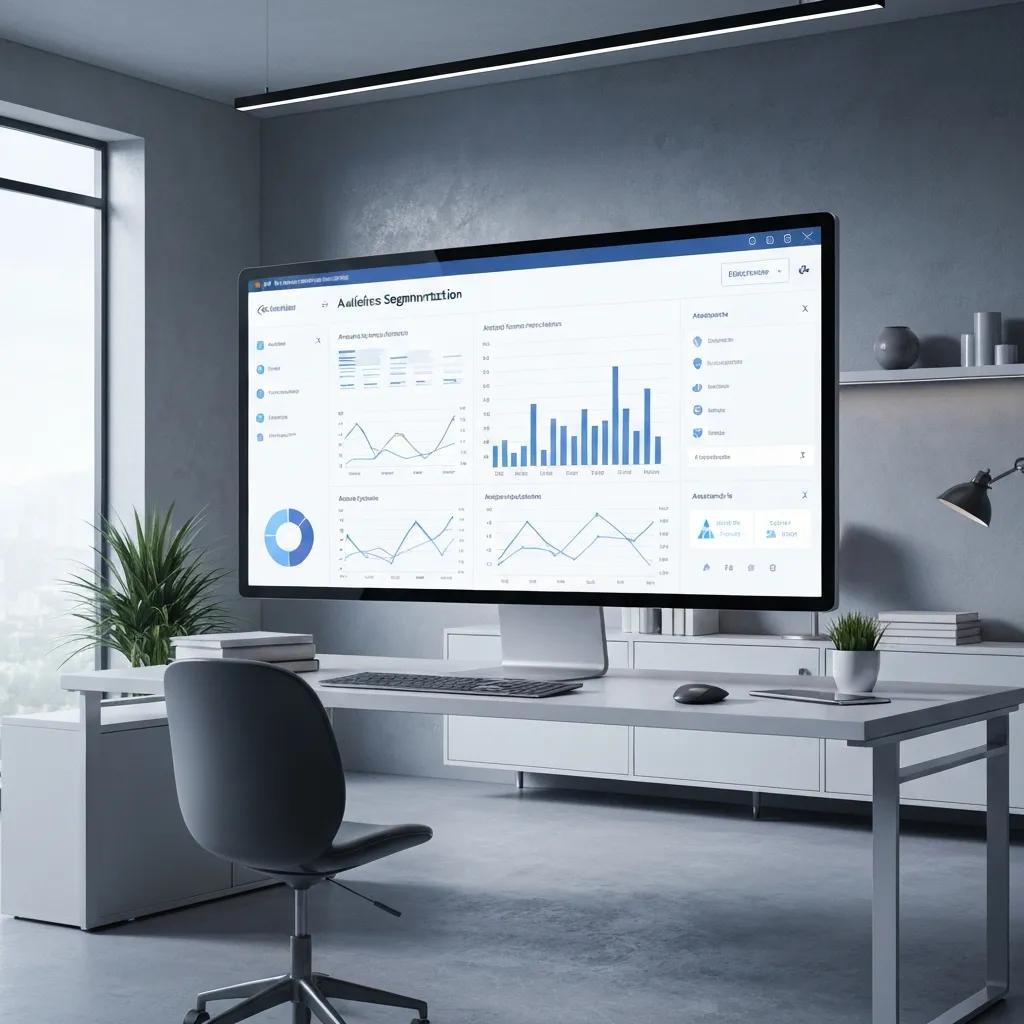
Define and segment audiences with a priority-first approach: start with owned data and extend with modeled lookalikes. Audit CRM and web analytics to surface high-value identifiers and purchase patterns, then build personas that connect behaviors to channel preferences. Layer demographic, psychographic, and intent signals — for example search and on-site actions — into tiers for bidding and creative personalization. Use those tiers to set bid multipliers and frequency rules so top segments receive heavier investment and tailored messaging, which raises match rates and cuts wasted impressions. Mapping segments to channel preferences keeps placements efficient and relevant.
What campaign goals and KPIs should guide your media buying strategy?
Choose KPIs that reflect both business objectives and where the campaign sits in the funnel so you have clear levers for optimization. For brand work, prioritize reach, viewability, and ad recall lift; for mid-funnel, measure engagement, consideration lift, and assists; for direct response, use CTR, CPA, and ROAS as primary indicators. Match your attribution model to the sales cycle — single-touch for simple paths, multi-touch or data-driven for complex journeys — and keep event definitions consistent across analytics tools. Regular KPI reviews against business outcomes let you reallocate spend toward the highest-performing tactics and channels.
How can programmatic and data-driven media buying improve ad placements?
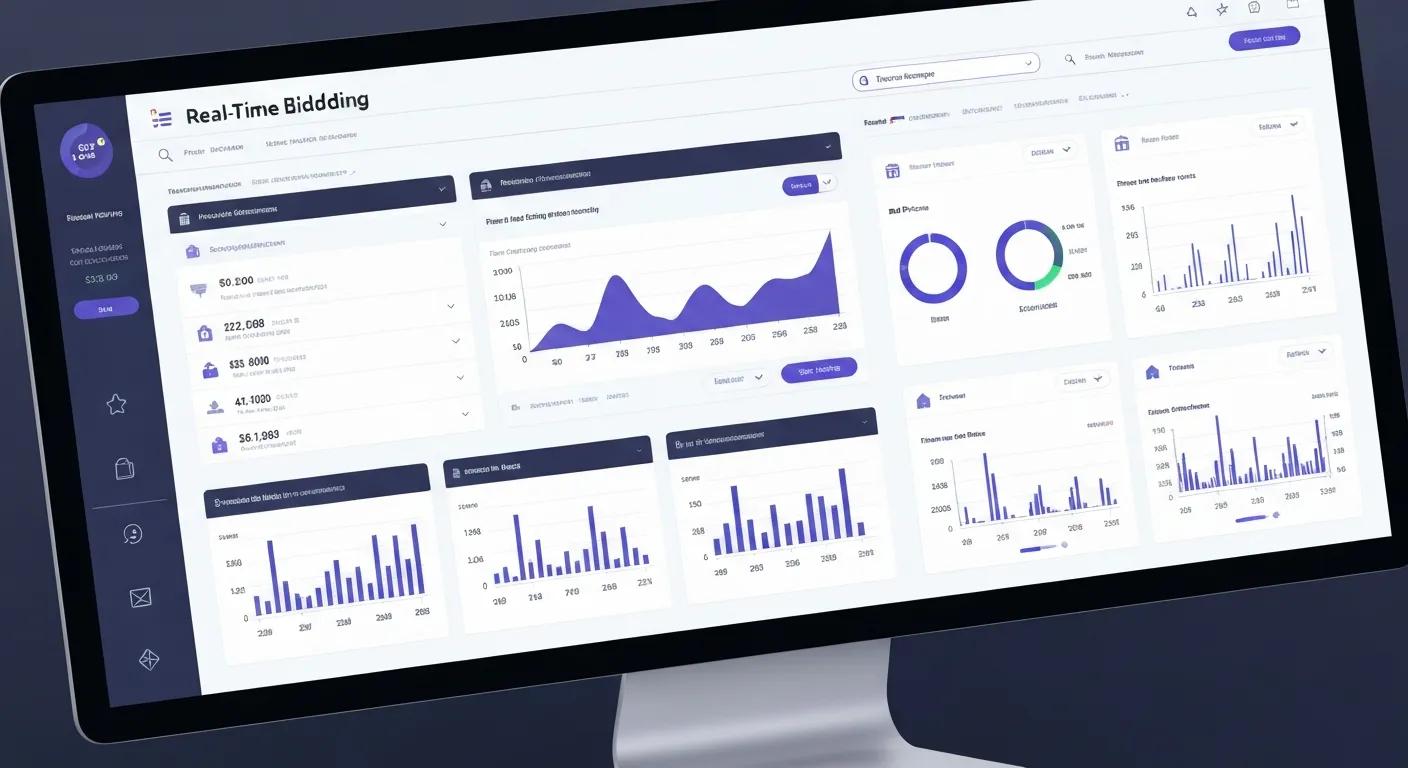
Programmatic media buying automates ad purchases using RTB, DSPs, and SSPs so you can make precise, data-driven placement decisions at scale. The flow — bid request into an auction then ad serving — lets you target by audience and context in real time, cutting waste and improving ROAS. Benefits include more relevant placements, dynamic budget allocation, and faster test-and-learn cycles through automated bidding and optimization. The sections below explain RTB mechanics and layered data strategies that widen reach while sharpening precision.
Programmatic depends on coordinated layers: SSPs expose inventory, DSPs place bids, and ad exchanges run auctions; DMPs (or modern data platforms) aggregate signals for targeting. Simplified RTB flow: bid request → auction → DSP decision → win/lose → ad served. Programmatic is ideal for scale and fine-grained audience targeting; direct buys remain useful for premium, guaranteed placements. Always bake in viewability checks, fraud detection, and verification to protect media quality.
Data-driven targeting expands reach by blending first-, second-, and third-party signals into usable segments. First‑party data provides the best match quality; lookalike models extend reach; signal layering (intent + behavior + demographics) improves precision and reduces wasted impressions. Respect privacy and consent constraints — use clean-room or privacy-preserving techniques for advanced matching. The practical tips below help avoid common implementation pitfalls and keep data flowing cleanly.
- Audit data sources: Verify quality and consent before activation.
- Layer signals: Combine intent, behavior, and demographics for higher precision.
- Validate models: Test lookalikes against control cohorts to prevent drift.
Following these steps reduces targeting errors and improves placement performance across programmatic channels.
Programmatic advertising: automated techniques for better targeting and lower cost
Programmatic advertising automates how publishers make inventory available and how advertisers buy that inventory to reach potential customers. Properly executed, programmatic increases ad relevance, lowers costs, and reduces irrelevant impressions.
Programmatic advertisement and real‑time bidding utilization, 2017
| Programmatic component | Attribute | Impact on placements / ROI |
|---|---|---|
| RTB | Real‑time auctions | Faster scaling and dynamic price discovery |
| DSP | Decisioning & bidding | Precise bid control and audience targeting |
| DMP | Data aggregation | Better segment construction and audience activation |
What is programmatic media buying and how does real-time bidding work?
Programmatic media buying automates ad purchases by connecting buyers and sellers through technology platforms that resolve bids in milliseconds. A bid request carries contextual and audience signals; DSPs evaluate and respond; the highest bid wins and the ad is served. This automation delivers scale and fine-grained targeting. Programmatic works when you need diverse inventory and audience-level precision; direct buys are still valuable for premium inventory and relationship-driven deals. Continuous monitoring for viewability, brand safety, and fraud is essential to convert automated efficiency into real business value.
Programmatic ad buying driven by big-data analysis
Programmatic ad buying increasingly leverages big-data analysis to automate and optimize placement and delivery, reflecting a broader industry shift toward data-driven media.
A survey on real‑time bidding advertising, Y Yuan, 2014
How does data-driven targeting enhance audience reach and ROI?
Data-driven targeting improves reach and ROI by anchoring activation to first‑party signals and extending with modeled audiences to raise match rates and cut irrelevant impressions. First‑party data offers the most predictive signals; second‑ and third‑party data can fill gaps when used responsibly. Signal layering — combining intent, behavior, and demographic indicators — increases relevance and the probability each impression converts. Strong governance around consent and privacy-preserving methods, like clean rooms, preserves data utility and compliance. As precision improves, budgets naturally flow to placements that demonstrably move business outcomes.
Which multi-channel media buying approaches deliver the best business results?
Multi-channel media buying stitches social, search, display, video, and connected TV together to reach audiences across the funnel with complementary strengths and measurable outcomes. The operating principle is funnel sequencing: awareness channels drive reach, consideration channels build engagement, and intent channels close conversions. Creative adaptation and orchestration let each channel contribute to a unified journey. Cross-channel measurement requires consistent attribution, shared event definitions, and frequency management to avoid overlap and overspend. Below are integration patterns and mobile-first tactics that preserve message continuity and measurement clarity.
Start integration with a sequencing playbook: broad awareness on CTV or large-reach social, retargeting on social and display for consideration, and search/performance video to capture conversion intent. Repurpose creative to keep brand consistency while tailoring length and CTA prominence for each format. Shared measurement definitions and frequency caps help manage ad fatigue and enable efficient impression delivery. These patterns naturally extend into mobile-first execution where format and speed matter.
Adding CTV and Precision TV to a multi-channel plan lets hybrid sequencing amplify reach and attention for high‑value audiences before conversion-focused digital tactics. For example: run video-first CTV for premium awareness, then layer addressable and programmatic digital retargeting to capture interest signals. Walker Media Agency’s Precision TV Advertising — informed by ComScore insights — demonstrates how TV targeting pairs with measurable digital follow-up. Treat Precision TV as an attention and reach driver that primes downstream measurement and budget allocation.
Channels typically excel at different outcomes:
- Search: Captures high intent and drives direct conversions.
- Social: Sparks discovery and mid‑funnel engagement with rich audience signals.
- CTV / Video: Delivers broad reach and storytelling with strong attention metrics.
This channel matrix helps prioritize media investments based on objectives and creative capability.
How do you integrate social media, search, display, and connected TV ads?
Follow a simple integration checklist: sequence by funnel stage, adapt creative to each format, and align measurement and frequency rules. Lead with awareness on CTV and broad social, follow with video retargeting and search discovery for consideration, and close with conversion-focused bids on search and performance display. Repurpose assets — trim long-form video for CTV, reformat for social (vertical/square), and tighten CTAs for search — to match platform expectations. Normalize event definitions and consolidate signals into a shared analytics layer so tracking and attribution work across platforms. Effective sequencing naturally points to mobile-first optimizations where speed and format matter most.
What are effective mobile-first media buying techniques?
Mobile-first media buying prioritizes vertical formats, fast-loading creatives, and bids tuned to in-app and mobile web behavior to capture on-the-go attention. Use lightweight assets — short vertical video and optimized files — and build landing experiences that minimize load time and conversion friction. Set bid strategies that reflect session length and device-specific conversion windows, and apply modifiers for high-value mobile audiences or app users. Track mobile KPIs like engagement rate, app installs, and time-to-conversion to validate mobile spend.
These optimizations help mobile placements convert efficiently and send accurate signals into cross-channel attribution.
How do you optimize media buying ROI through budgeting and performance analytics?
Improve ROI with disciplined budgeting frameworks, negotiation levers for inventory value, iterative testing, and automation to scale winners. Pair upfront allocation rules with continuous rebalancing driven by performance analytics so spend shifts to the highest-yield tactics. Include both short- and long-term KPIs in measurement and run post-buy reconciliation to verify delivery and outcomes. The sections below cover allocation methods, negotiation levers, and AI-driven optimization use cases you can apply right away.
Start budgeting with a clear allocation framework — goal-first or channel-first — then move to performance-driven reallocation. Common patterns: a baseline brand budget plus a flexible performance pool, or a hybrid model where channels receive initial allocations adjusted weekly based on CPA and ROAS trends. Negotiate for value-added inventory, seasonal bundles, and performance clauses to improve CPM efficiency and secure measurable commitments. These practices create a governance loop that protects long-term brand investment while enabling short-term performance shifts.
- Set baseline allocations: Protect core brand spend to maintain share of voice.
- Create a performance pool: Reserve flexible budget to chase high‑ROI opportunities.
- Enforce SLA checks: Require reconciliation, viewability, and delivery reporting from vendors.
This checklist keeps budgets responsive to results while safeguarding strategic investments.
| Budgeting approach | Metric to track | Expected outcome |
|---|---|---|
| Goal‑first (outcome‑driven) | ROAS / CPA | Spend aligns with business objectives |
| Channel‑first (mix‑driven) | Reach & engagement | Balanced brand and performance presence |
| Hybrid (adaptive) | Weekly CPA trend | Flexible optimization with stability |
What budget allocation and negotiation strategies maximize media buying value?
Combine a stable brand baseline with an agile performance pool that reallocates to top-performing channels as data arrives. Negotiation levers include seasonal packaging, added-value impressions, and performance guarantees to improve CPMs and delivery confidence. Insist on transparent reporting and post-campaign reconciliation to validate buys and apply learnings to future negotiations. Use vendor SLAs to codify viewability, fraud protection, and reporting cadence as procurement criteria. These practices maintain budget discipline while extracting measurable value from media partners.
How can AI and automation enhance media buying performance and personalization?
AI and automation improve media buying through dynamic creative optimization, bid shading, and audience expansion — scaling personalization while reducing manual work. Roll out use cases in phases: pilot DCO for creative variants, test bid-optimization models on smaller campaigns, and expand governance as models demonstrate uplift. Establish thresholds and review cadences so automated decisions stay aligned with KPIs and can be reversed if performance drops. AI also shifts measurement toward real‑time validation and experiment-driven model tuning, creating a continuous optimization loop that raises ROI.
AI and programmatic advertising: revolutionizing media buying and ROI optimization
AI-driven programmatic solutions focus on bid optimization: in real time, algorithms surface the optimal bid for each impression to improve placement efficiency and return on investment.
AI and programmatic advertising: Revolutionizing media buying and ROI optimization, N Anute, 2025
- Pilot AI workflows: Start small, measure uplift, then scale.
- Govern models: Set thresholds, review cadence, and keep human oversight.
- Validate continuously: Use holdouts and control groups to confirm causality.
| Budgeting approach | Metric to track | Expected outcome |
|---|---|---|
| Fixed baseline + flexible pool | Weekly CPA and ROAS | Maintain brand presence while optimizing performance |
| Seasonal bundling | CPM & added-value impressions | Lower effective CPM and more inventory control |
| Performance guarantees | Delivery vs SLA | Measurable accountability and reconciliation |
Walker Media Agency can partner with your team to put these strategies into practice — bringing industry expertise, tailored solutions, and a focus on measurable results to translate media buying strategy into clear ROI improvements. For industry-specific examples, see our industry case studies.